
From AI to Arts, compare best-fit online courses for your next career move.


TAP HERE!
Shortlist your best-fit university in minutes - Start now


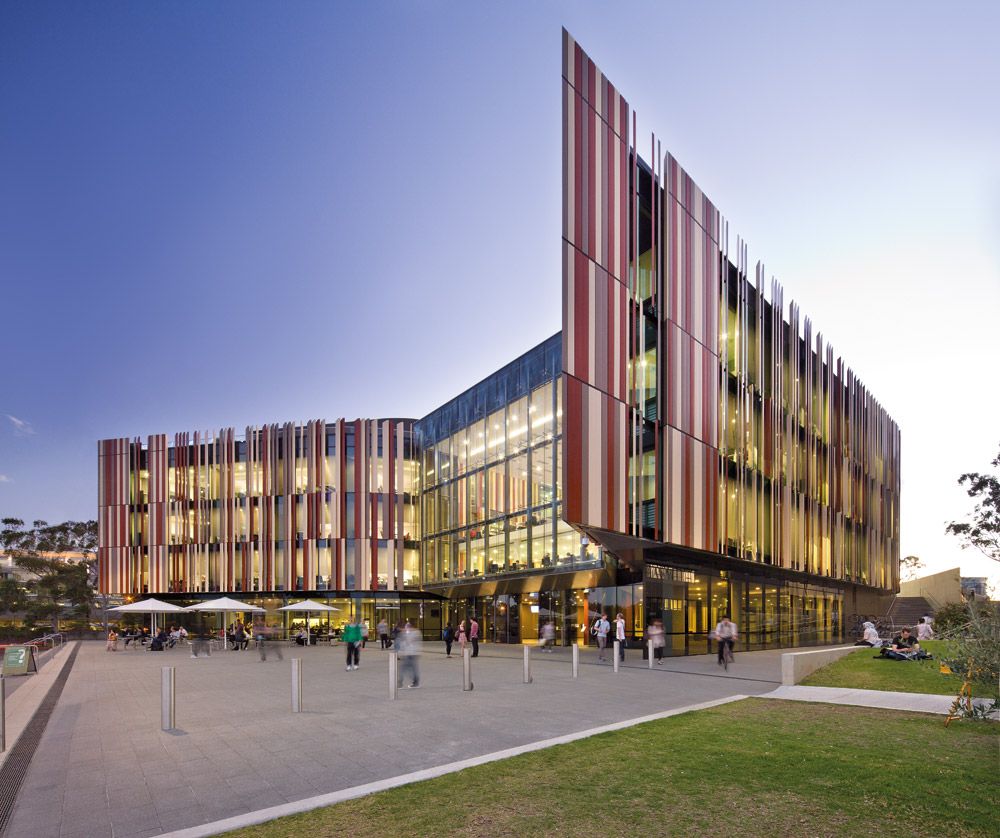
Macquire Park, Australia
If it’s a smart device – phone, watch or TV – electronics engineers have played a role in its design, development and testing. Electronic circuits, microprocessors and controllers underpin most of the technologies that drive contemporary global industries, from manufacturing and power generation to transport, health, telecommunications and resource management. And as the world becomes increasingly connected, demand for highly skilled, visionary electronics engineers will only continue to grow. The Master of Engineering in Electronics Engineering will consolidate, build on, and enhance the theoretical and practical grounding you gained in your undergraduate studies, and prepare you for a career as an electronics engineer. It will refine your technical and practical skills, and give you in-depth knowledge in both analogue and digital electronics.


Don’t just apply; apply where you belong. Use GradRight’s AI platform to compare programs with other top-tier options based on real student outcomes, costs, and your unique profile.
Compare ProgramsAccess India’s first loan bidding marketplace to get competitive, low-interest education loan offers from 15+ top lenders, tailored to your aspirations.
Compare Loan OffersNavigate international health insurance requirements with ease. Get comprehensive, uni-compliant coverage that protects your health and your budget.
Check Insurance Plans
Don’t just apply; apply where you belong. Use GradRight’s AI platform to compare programs with other top-tier options based on real student outcomes, costs, and your unique profile.
Compare ProgramsAccess India’s first loan bidding marketplace to get competitive, low-interest education loan offers from 15+ top lenders, tailored to your aspirations.
Compare Loan OffersNavigate international health insurance requirements with ease. Get comprehensive, uni-compliant coverage that protects your health and your budget.
Check Insurance PlansBased on current data, Engineering in Electronics Engineering at Macquarie University has a total cost of ₹42,68,872 and an estimated ROI (including loan interest) of 115% over a 12-months program. Macquarie University's median graduate package is ₹53,95,082.
Macquarie University requires a minimum TOEFL iBT score of 83 or an IELTS score of 6.5, along with a GPA of 2.60. GRE is not required and GMAT is not required for this program.





Trusted by 2,60,000+ students for their education abroad
 Australia +61
 Canada +1
 France +33
 Germany +49
 India +91
 Ireland +353
 UAE +971
 United Kingdom +44
 United States +1
By signing up, you agree to the Terms of Service and Data Processing Agreement
Enter the security code we sent to
By signing up, you agree to the Terms of Service and Data Processing Agreement