





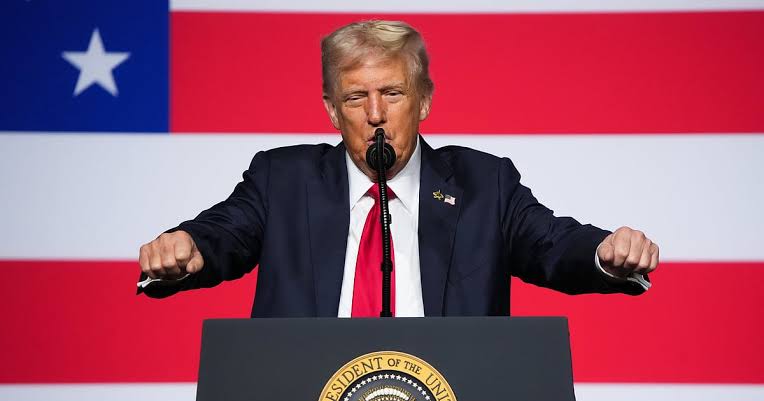
A new student visa fee proposal could make it far more expensive for international graduates to stay and work in the US. The plan remains unconfirmed for now, but it has already sparked debate.
What happened
President Trump is reportedly considering a $100,000 fee on Optional Practical Training visas, according to the Wall Street Journal. OPT visas currently let international graduates on F-1 student visas work in the US for one to three years, as long as the job connects to their field of study. The Department of Homeland Security has not confirmed the policy yet. However, a White House official told The Independent that the administration has made no imminent announcements on this front.
The numbers behind the noise
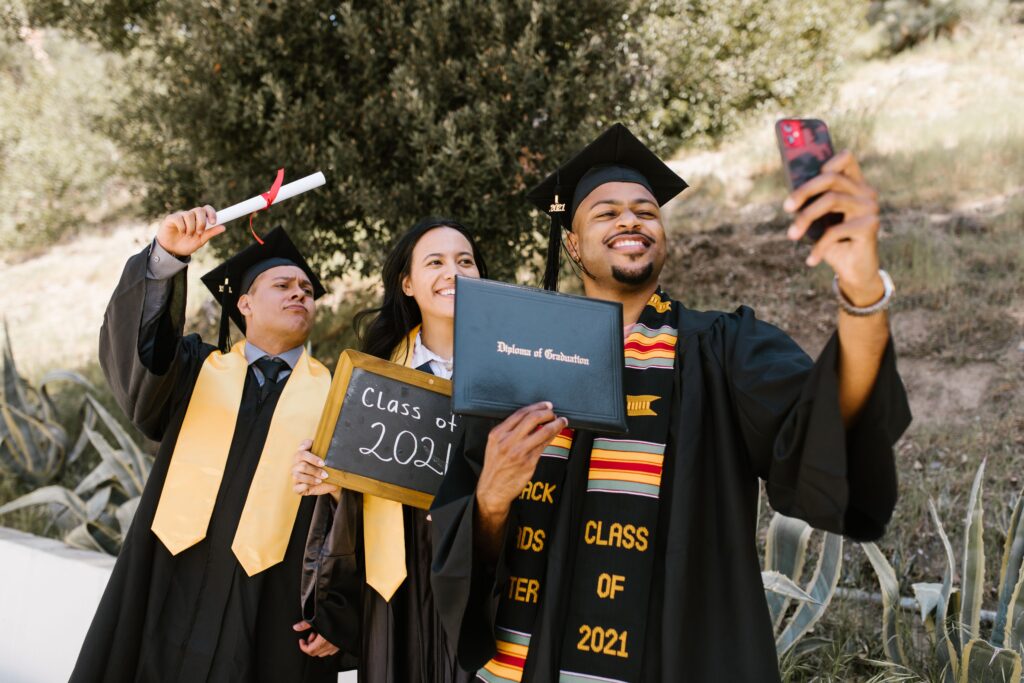
This student visa fee idea would mirror a similar $100,000 fee the administration previously tried to add to H-1B visas. A federal judge struck down that H-1B fee last month, ruling it functioned as a tax, and only Congress can authorize that kind of change. In 2024, roughly 418,000 students worked in the US through OPT visas. That accounts for about 26 percent of the 1.58 million foreign students on F-1 or M-1 visas. So this policy, if it moves forward, would touch a substantial share of international students.
Why this isn’t as simple as it looks
Here’s where it gets interesting. The administration frames this as protecting American jobs and curbing immigration abuse, and a DHS spokesperson has said reforms aim to serve American workers, not import foreign labor. Critics, though, argue this could backfire economically. Universities could lose valuable revenue from international students who might now think twice about studying in the US. Tech companies, similarly, often depend on OPT visa holders for talent, and experts have warned that restricting these pathways could hurt industries that rely on skilled workers from other countries to build new technology.
The bigger picture
Interestingly, Trump has also created an entirely different immigration path called Trump Gold Cards. These offer permanent residency to wealthy foreigners who invest $1 million in the US and pay a $15,000 fee. In other words, the administration seems to be tightening the door for working professionals and students while opening a new one for wealthy investors. That contrast has fueled a lot of the public reaction to this story.
Bottom line
Nothing is finalized yet, and a court already blocked a similar fee on H-1B visas. So while this student visa fee proposal has generated real concern among students and universities, it still faces both political and legal hurdles before it could ever take effect.
Original reporting: The Independent









 Australia
  Canada
  France
  Germany
  India
India  Ireland
  UAE
UAE  United Kingdom
  United States